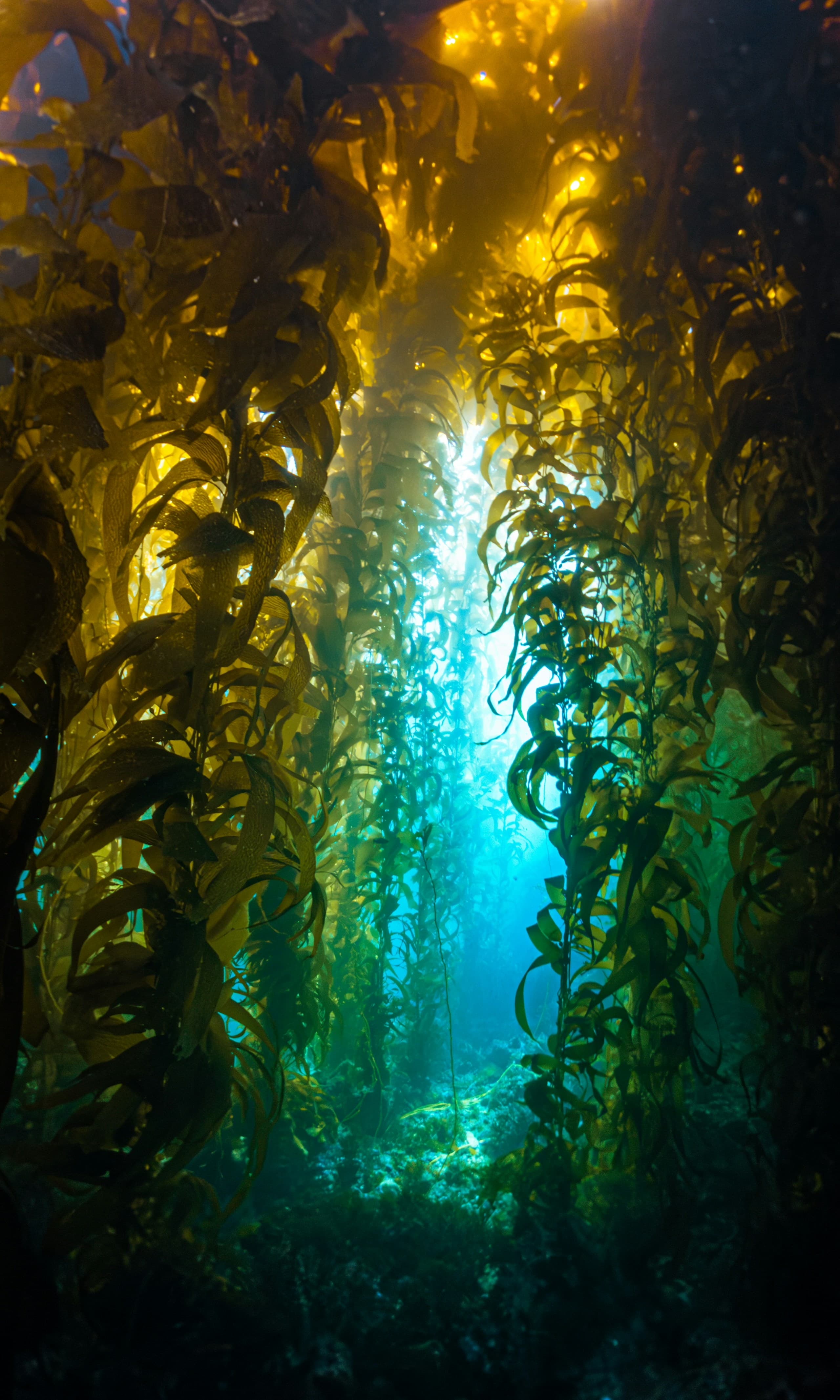
Restoring the Coast,
One Urchin at a Time
Learn More ↓Urchins Removed:
0 lbs
Kelp Restored:
0 sq ft
Progress
The Problem: Urchin Barrens
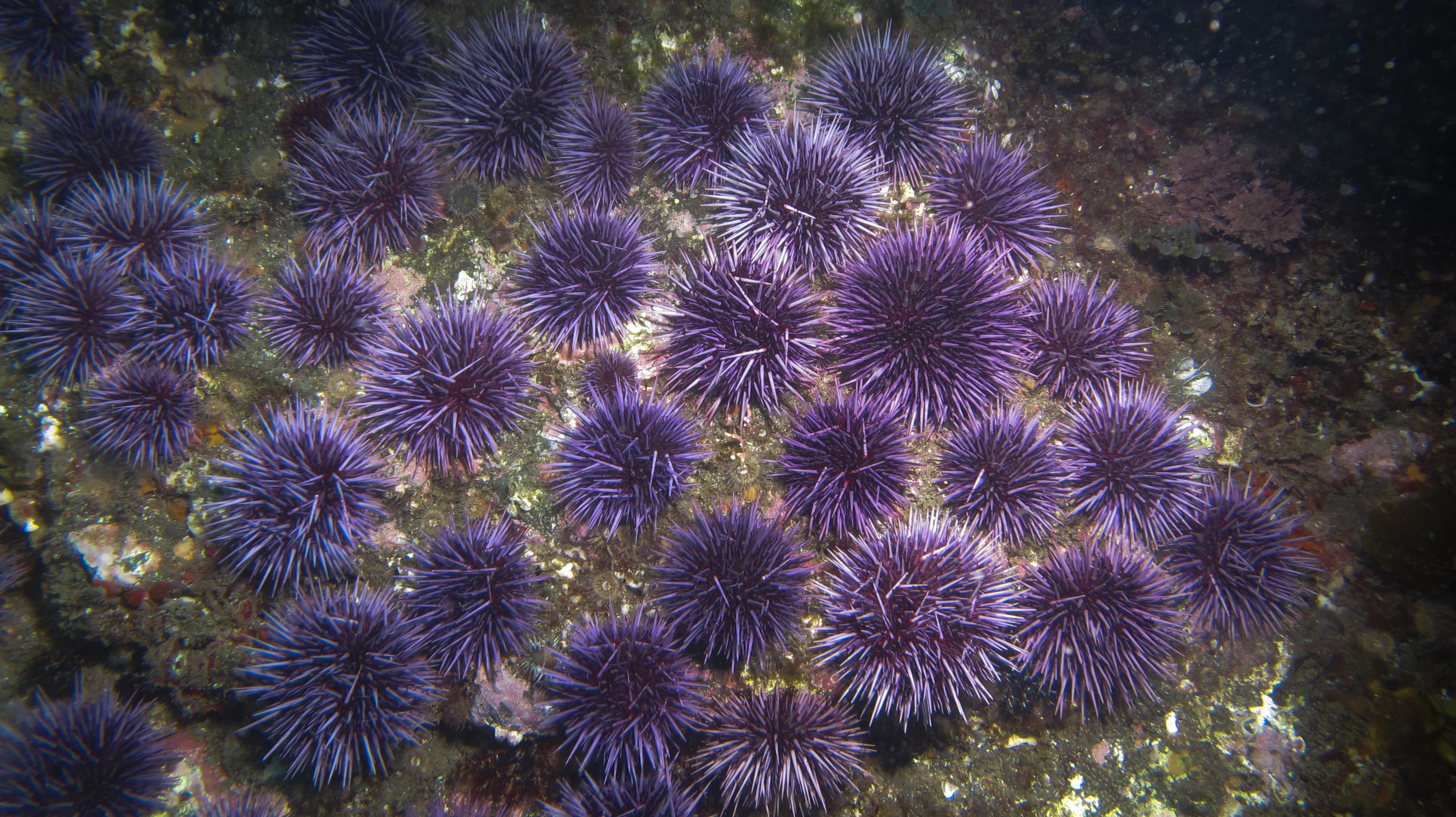
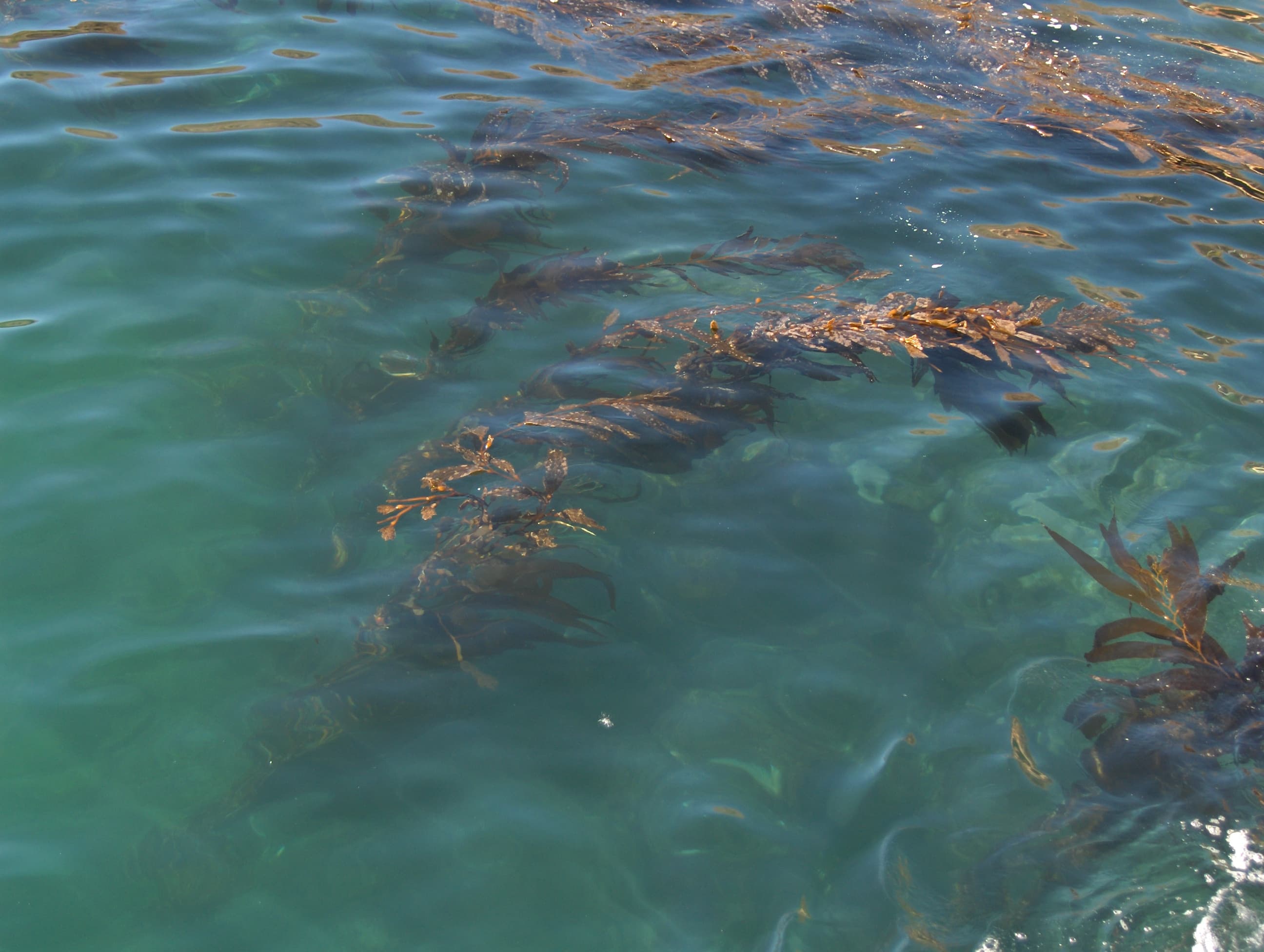
Barren zones are an urchin catastrophe in slow motion. Overgrazing by unchecked purple sea urchin populations has decimated kelp forests along the Northern California coast, destroying critical habitat for hundreds of marine species including endangered abalone.
Key Facts
- ◆95% of Northern California's bull kelp forests have been lost since 2014
- ◆Purple urchin populations exploded 10,000% following the loss of sunflower sea stars
- ◆Urchin barrens eliminate biodiversity and destroy commercial fisheries
We are applying innovative aquaculture practices to restore these vital ecosystems while creating sustainable economic value from an ecological threat.
See Our SolutionOur Mission & The Opportunity
“Restore Northern California's kelp forests by turning overabundant purple sea urchins into premium, locally ranched seafood — creating coastal jobs and a regenerative aquaculture model from Noyo Harbor, Fort Bragg.”
A Global Supply Gap, A Local Solution
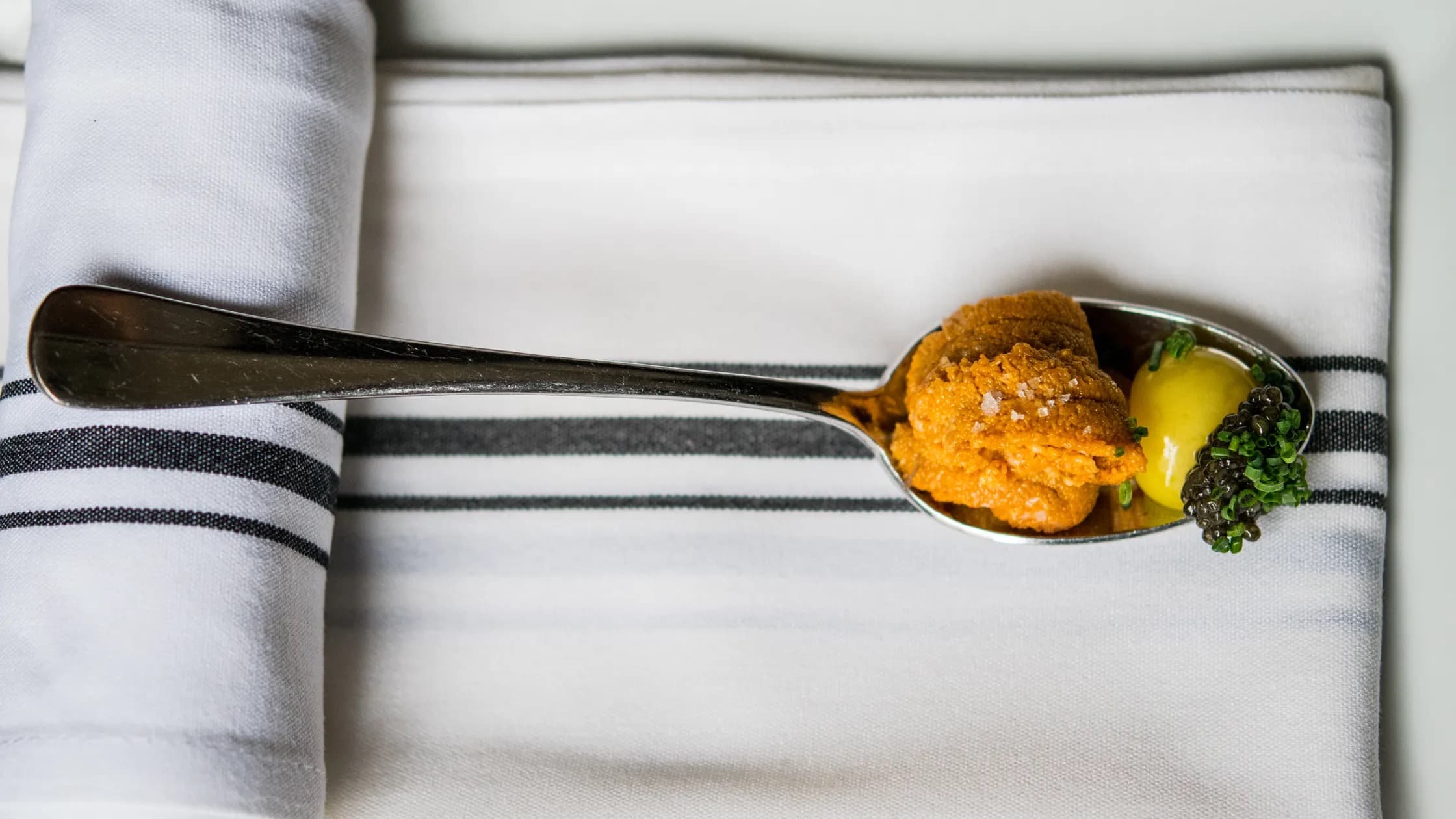
Uni (sea urchin roe) is one of the most prized delicacies in Japanese cuisine, yet global supply has been in steady decline for decades. US domestic production peaked in the 1990s and has fallen consistently, while demand from sushi restaurants and fine-dining establishments continues to grow.
Purple sea urchins — the same species devastating California's kelp forests — produce roe with a sweet, nutty flavor profile comparable to the highly sought-after Japanese domestic species. The catch? Wild purple urchins from barrens are “zombies” — alive but starving, with virtually no marketable roe (often less than 1% gonad index).
Our ranching operation solves this bottleneck. By feeding harvested urchins a high-efficacy formulated diet, we boost their gonad index to over 15% in just 6 to 9 weeks — producing consistent, A-Grade uni year-round, independent of ocean conditions or wild harvest seasons.
Global uni landings have declined sharply since the 1990s
Of global supply consumed by Japan — demand far outstrips supply
To transform barren urchins to market-ready uni via our ranching process
Cultivation
Advancing aquaculture science through innovation
Sustainability
Regenerative practices that give back to the ocean
Restoration
Every urchin removed helps kelp forests recover
Community
Creating coastal jobs and local economic value
The Science of Ranching
Harvest
Divers remove invasive purple sea urchins from barren reefs along the Northern California coast near Noyo Harbor, minimizing transit time and stress to reduce mortality.
Ranch
Harvested urchins are fed a high-protein formulated diet in our indoor RAS tanks, boosting gonad index from under 1% to over 15% in 6–9 weeks.
Serve
Consistent, A-Grade uni is delivered year-round to premium sushi restaurants, fine-dining chefs, and seafood processors. Every plate served funds continued coastal restoration.
Indoor RAS Tanks
Our ranching takes place in land-based, shallow raceway tanks integrated into a Recirculating Aquaculture System. RAS technology reduces water consumption significantly while maintaining strict control over temperature, dissolved oxygen, salinity, and ammonia levels.
View Full RAS Diagram →Feed Strategy & Production Timeline
Formulated Pellet Feed
We use a high-protein (~20%), algae-based pellet feed rather than raw kelp — ensuring consistent nutrition and rapid gonad enhancement without depleting local kelp biomass.
Diet for Color & Flavor
Macroalgal ingredients like Saccharina offcuts provide beta-carotene essential for the bright orange/yellow color and sweet, savory flavor profile demanded by the premium uni market.
6–9 Week Turnaround
Urchins are fed ad libitum 2–3 times per week with waste flushed daily. Our formulated diet achieves marketable yield (>15% GI) in 6–9 weeks, compared to 12+ weeks for kelp-only diets.
Restoring the Urchin on Record
Ecological Restoration You Can Taste
Our ranching process transforms empty, starving purple urchins into premium uni — one of the most prized delicacies in Japanese cuisine. By creating economic value from an invasive species, we fund the continued restoration of kelp forests.
Every urchin harvested is one less grazing the reef. Every urchin sold to restaurants funds more restoration. It's a virtuous cycle — turning an ecological threat into an economic benefit.
Consistent Quality
Controlled ranching conditions produce A-Grade roe regardless of ocean temperatures, harmful algal blooms, or wild harvest variability — reliability chefs can count on.
Year-Round Supply
While wild uni is seasonal and unpredictable, our ranched urchins can supply premium uni when wild stocks are unavailable — filling critical gaps for restaurants and processors.
Restorative by Design
Every urchin we ranch was removed from a barren reef. Our product isn't just sustainable — it actively restores the marine ecosystems that commercial fisheries depend on.
Who We Serve
We supply premium-tier sushi restaurants, fine-dining establishments, and seafood processors along the West Coast — backed by direct relationships with chefs who value provenance and quality. We also sell direct-to-consumer at farmers markets, community festivals, and dockside at Noyo Harbor.
Partner With UsOur Partners